Health and Safety Policy for St Johns Wood Man and Van
 At St Johns Wood Man and Van, health and safety is a core part of how we plan, load, transport, and deliver every move. Our man and van service is designed to reduce risk for staff, customers, and the public while keeping each job efficient and professional. We believe that safe working practices are not optional; they are essential to reliable removals, careful handling, and consistent service quality.
This policy sets out the standards expected from everyone involved in a move, including drivers, porters, coordinators, and any subcontracted personnel. It applies to all tasks connected with St Johns Wood removals, from lifting and securing items to parking, route planning, and working in shared spaces. We aim to maintain a safe working environment by identifying hazards early, using suitable equipment, and ensuring that all work is completed with appropriate care and attention.
Our approach is based on prevention, awareness, and responsibility. Every St Johns Wood man with a van team member must take reasonable steps to protect themselves and others from avoidable harm. This means following safe lifting techniques, using protective equipment where required, reporting risks promptly, and stopping work if a task becomes unsafe. We expect all work to be carried out in a calm, controlled manner that supports both safety and service standards.
Our Safety Principles
The company follows a practical safety framework built around planning, communication, and control. Before any move begins, the team considers the type of load, access conditions, distance to be travelled, weather, and any likely obstructions. For St Johns Wood van hire operations, this preparation helps reduce the chance of injury, damage, or delay. Risk awareness is part of every stage of the process, from arrival at the property to final delivery.
We require all items to be assessed before lifting or moving. Heavy, awkward, fragile, or unstable objects must be handled by the appropriate number of people and moved using the right equipment. Trolleys, straps, blankets, gloves, and other aids are used when needed to support safer handling. Where possible, loads are split into manageable sections to reduce strain and maintain control during transit.
 Vehicle safety is also a major part of our policy. All vehicles used for man and van St Johns Wood services must be kept roadworthy, clean, and suitably equipped for the job. Drivers are responsible for checking tyres, lights, mirrors, fuel levels, load security, and general vehicle condition before departure. Secure loading is essential, and items must be arranged to prevent shifting, falling, or causing imbalance during travel.
Responsibilities of the Team
Every employee and contractor has a duty to work safely and to cooperate with health and safety procedures. This includes wearing suitable footwear, using correct manual handling methods, and maintaining awareness of surroundings in homes, stairways, communal areas, and loading zones. Team members must remain fit for work and should not carry out tasks if they are affected by fatigue, illness, alcohol, medication, or anything else that may impair judgment.
Supervisors and team leaders are responsible for setting expectations, monitoring compliance, and ensuring that work is properly organised. They must make sure the crew understands the job requirements and that any potential hazards are identified before lifting starts. If conditions change during the move, the plan must be adjusted to keep the team safe. Safety always takes priority over speed.
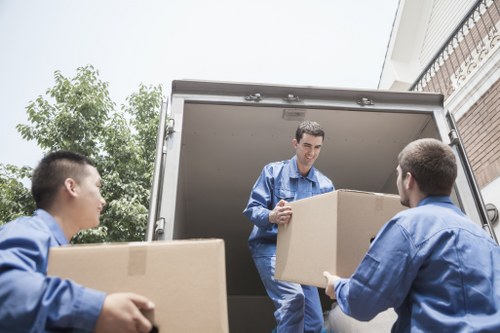 Customers also play an important role in helping us maintain safe conditions. They should keep walkways clear, advise us of any known access issues, and point out items that may need special handling. While our St Johns Wood man and van team carries the main responsibility for safe operation, cooperation from the customer helps reduce unnecessary risk and keeps the move running smoothly.
Handling, Lifting, and Equipment Use
Manual handling is one of the most common sources of injury in removals work, so we apply clear controls to limit strain and accidents. Team members are trained to bend their knees, keep loads close to the body, avoid twisting, and ask for assistance with heavier items. If an item is too large, unstable, or difficult to grip safely, it must not be lifted alone. Careful planning and team coordination are always expected.
We also maintain a strong focus on equipment safety. Any tools or aids used in our St Johns Wood removals company operations must be suitable for the job and in good working condition. Damaged straps, faulty wheels, or worn protective items should be removed from use immediately. Equipment checks are part of normal practice, and no crew member should improvise with unsafe or unsuitable items.
Working environments can present different risks, including wet surfaces, poor lighting, narrow access, and traffic near loading points. Where necessary, we take extra care to manage these conditions by slowing the pace, improving visibility, and positioning the vehicle in the safest available location. Our aim is to complete each task without causing harm to people, property, or surroundings.
Incident Reporting and Continuous Improvement
If an accident, near miss, or unsafe condition occurs, it must be reported as soon as possible. Prompt reporting allows the company to investigate what happened, identify root causes, and prevent a similar issue from happening again. All reports are handled seriously and recorded in line with internal procedures. We encourage openness, because learning from incidents strengthens future safety performance.
Where an incident reveals a weakness in process, additional training, improved equipment, or revised work methods may be introduced. Our St Johns Wood man and van services are reviewed regularly to make sure standards remain effective and practical. We treat health and safety as an ongoing responsibility rather than a one-time checklist.
 This policy is supported by regular communication, supervision, and practical instruction. Staff are expected to stay aware of updates and to ask for clarification whenever a task appears uncertain. Safe work depends on consistent habits, professional judgment, and the willingness to pause and reassess if a risk is identified.
Policy Commitment
 St Johns Wood Man And Van is committed to maintaining a workplace and service environment that protects health, supports safe operations, and reduces avoidable harm. We will continue to review our practices, encourage responsible behaviour, and uphold standards that reflect care, reliability, and professionalism. Safety is part of every move we complete, and it remains central to how we work every day.